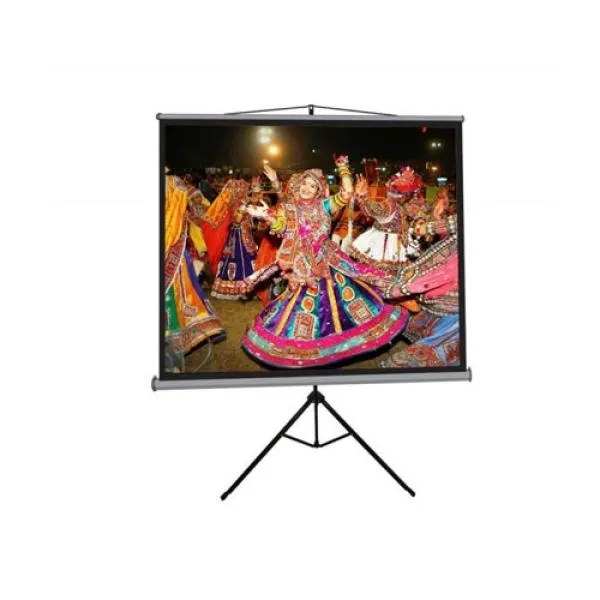
Projector screens and cables are essential components in creating a complete and high-quality projection setup, transforming ordinary viewing spaces into immersive environments for home theaters, classrooms, boardrooms, and large venue presentations, and ensuring that the projected image retains its clarity, color accuracy, and overall visual impact; a good projector screen enhances the performance of any projector by providing a smooth, reflective surface that maximizes brightness, sharpness, and contrast while minimizing glare, hot spots, and color distortion, with materials specifically engineered to work with both LCD and DLP projection technologies, enabling viewers to experience true-to-life images regardless of the lighting conditions in the room. Available in a wide array of sizes, aspect ratios, and mounting styles, projector screens can be fixed, retractable, motorized, or portable, offering flexibility for different spaces and purposes, from compact, foldable screens for travel and temporary setups to large, wall-mounted screens for permanent installations in home theaters or auditoriums, while specialized options like tensioned screens ensure a perfectly flat surface that eliminates wrinkles and maintains image uniformity. Alongside screens, high-quality projector cables are critical for maintaining signal integrity and ensuring seamless connectivity between projectors and source devices such as laptops, Blu-ray players, gaming consoles, or streaming devices; HDMI cables are the most common choice for high-definition digital signals, supporting Full HD, 4K, and even 8K resolution, along with audio transmission, while DisplayPort, VGA, DVI, and USB-C cables cater to older devices or specialized applications, ensuring compatibility across diverse systems. Cable quality matters significantly because low-grade cables can cause signal degradation, color loss, flickering, or intermittent connections, which disrupt the viewing experience, especially in professional settings like corporate presentations or educational environments where clarity and reliability are crucial. Advanced projector setups often incorporate long, durable cables with shielding to prevent electromagnetic interference, ensuring consistent performance over greater distances without compromising picture quality. Furthermore, modern projector systems frequently employ cable management solutions, such as conduits, clips, or raceways, to keep installations neat, organized, and safe, preventing trip hazards and maintaining the aesthetic of the room while protecting cables from wear and tear. Some setups also include audio cables or HDMI-ARC solutions to integrate high-quality sound systems, delivering a complete audiovisual experience. Additionally, certain projector screens come with ambient light rejection (ALR) technology, enhancing image visibility in bright environments, while others are paired with specialized high-gain surfaces to boost brightness in large venues. Selecting the right combination of projector screen and cable is therefore essential to maximizing the capabilities of a projector, ensuring that the image is displayed as intended, with vivid colors, sharp details, and minimal distortion, while the connection between the source and projector remains stable and reliable. Whether for immersive home theaters, interactive classrooms, high-impact business presentations, or large-scale event projection, investing in quality screens and cables ensures that every visual detail is conveyed with precision, professionalism, and enjoyment, making them indispensable elements of any projection system that seeks to deliver the best possible viewing experience across diverse applications.